Sunday, May 15, 2016

comparative and absolute advantage

Absolute advantage
when a person can produce more of a certain good/service than someone else in the same amount of time
national- When a country can produce a good/service than another country can in the dame period of time
Comparative Advantage
when it cost less to produce a product than to buy it at a lower opprotunity cost
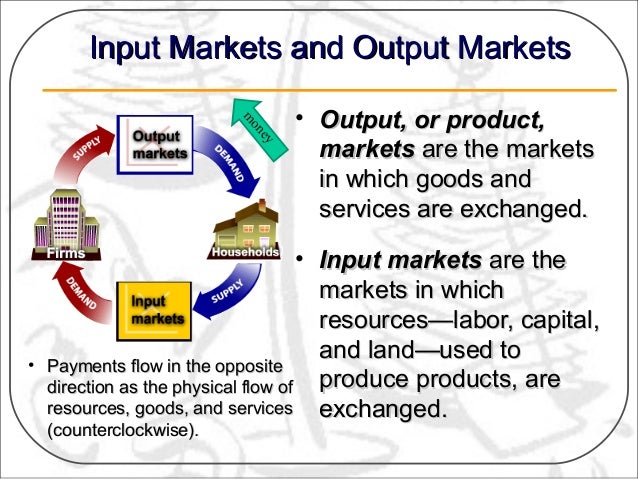
 Examples of input and output
Input:

  • # of hours to do a job
  • # of acres to feed a horse 
  • #of gallons to paint a house
Output:

  • tons per gallon or mph
  • TV's produced per hour


Mechanics of foreign exchange

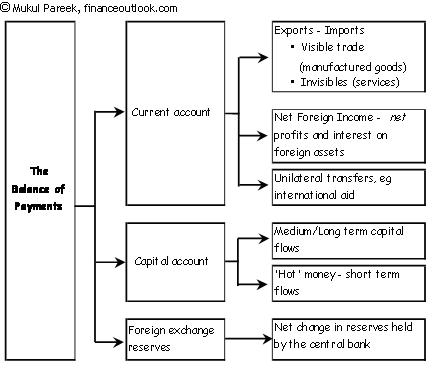
The buying and selling of currency any transaction that occurs in balance of payments necessitates foreign exchange The exchange rate (e) is determined in the foreign currency markets changes in exchange rates
Exchange rates are a function of the supply and demand for currency. A increase in the supply of currency will decrease the e of currency, a decrease in supply will increase the e of currency
An increase for demand for a currency will increase e rate of currency, an decrease for demand decrease e for currency
appreciation of a currency occurs when the exchange rate of that currency increase (e goes up)
depreciation of a currency occurs when the exchange rate  of the currency decreases (e goes down)
Supply and Demand shifts-

    • consumers tastes 
    • relative income
    • relative price level
    • speculation
exports and imports
exchange rates are determinants of exports and imports appreciation of the dollar causes american goods to be relativity more expensive and foreign goods to be less. Which reduces exports and increases imports
Depreciation of the dollar causes american goods to be cheaper than foreign making an increase in exports and decrease in imports.

Extending the analysis of AS

Short run
Period in which wages remain fixed as price level increases or decreases. Price level changes allow for companies to exceed normal outputs and hire more workers because profits are increasing while wages remain constant. In long run wages will adjust accordingly. The long run As curve is represented with a vertical line at full employment level of real GDP
Inflation
Demand pull- prices increase based on increase in aggregate demand in the short run, demand pull will drive up the prices of and increase production . If long run increases aggregate demand will.
Cost push - arises from factors that will increase per unit costs such as increase in the price of a key resource shift left. in effort to fight cost-push the government can react in two different ways:

  • by spending which could create a inflationary spiral
  • no action which leads to recession by keeping production
Long run Phillips Curve
Because the long run Phillips curve  exists at natural rate of unemployment (un) structural change in the economy that effect Un will also cause LRPC to shift
Increases LRPC

  • Inflation-rises level 
  • Deflation- decline in price level
  • Disinflation- decrease in inflation rate over time
  • Stagflation- inflation and unemployment at equal